

we Are ready to help everyone everywhere

POSITIVE THOUGHTS & POSITIVE GROWTH
As you incorporate positive thinking into your routine, you’ll find that your mindset shifts, leading to transformative changes in your life often effortlessly. You’ll notice the improvements, and your colleagues will, too, as your behavior and work reflect the positive shifts in your thought processes. Embrace this journey for a brighter, more impactful life.
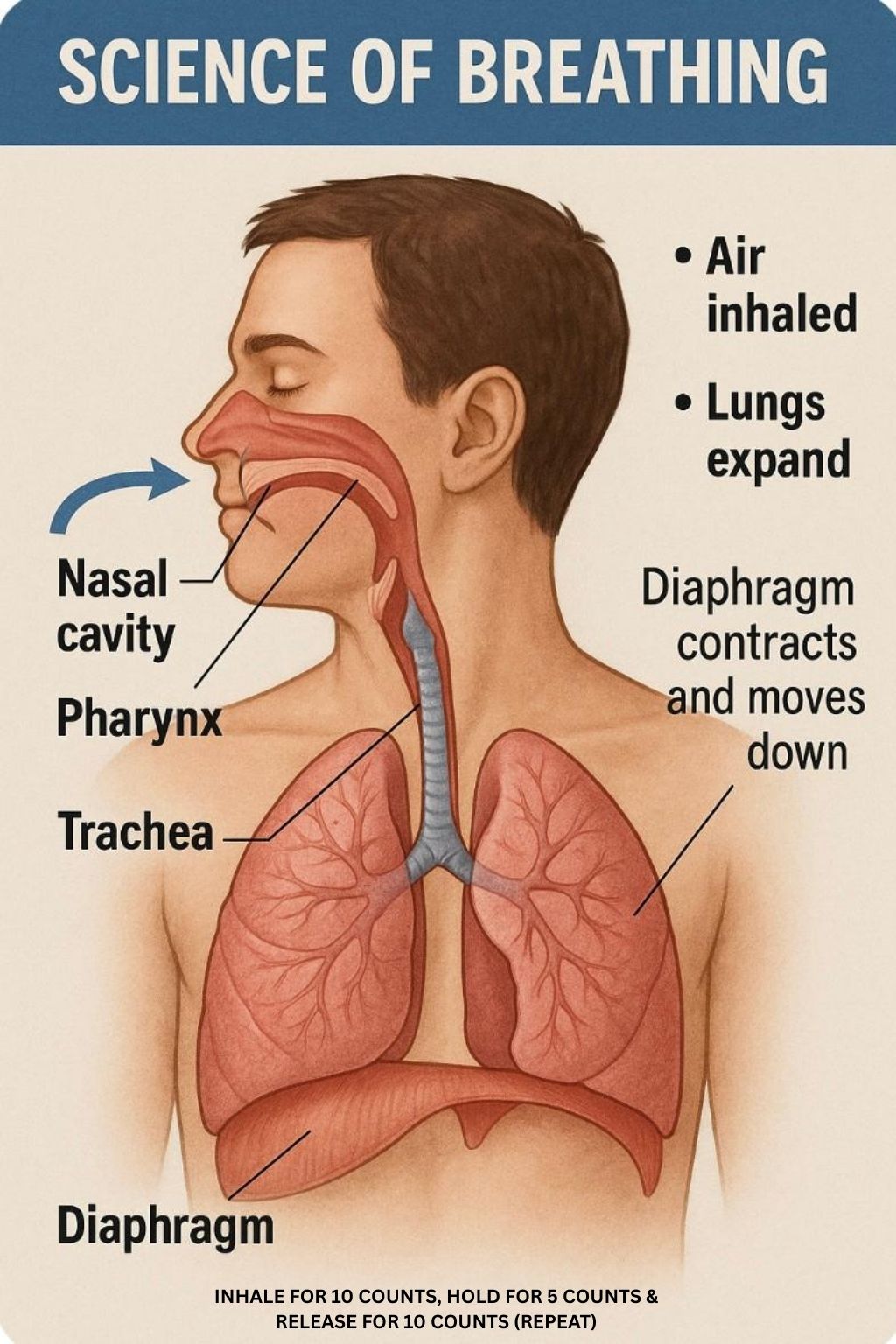
science Of breathing
Live stress- and depression-free through our mindful breathing practices. These techniques help you manage stress and improve blood circulation, ultimately contributing to a healthier heart and brain. Embrace the power of breath to enhance your overall well-being.
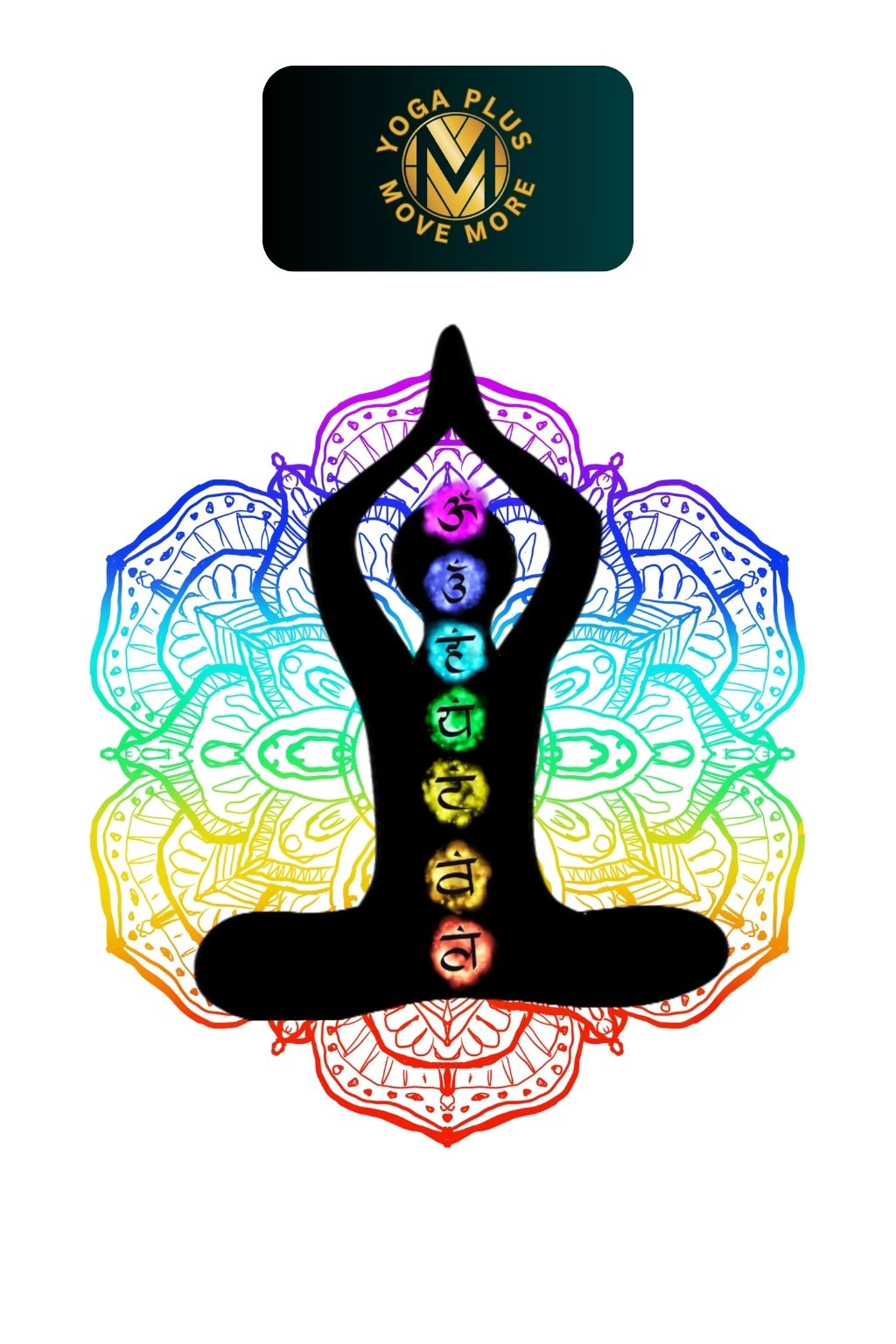
Allign Body, Mind & Soul Meditation
Focus on your breath as you inhale and exhale. This mindful breathing provides essential antioxidants to your body, helping to reduce the risk of Alzheimer’s and dementia. Practice taking deep breaths, as described, throughout your day—whether you’re working, relaxing, or on the move. Consistent practice can enhance your overall well-being and mental clarity.

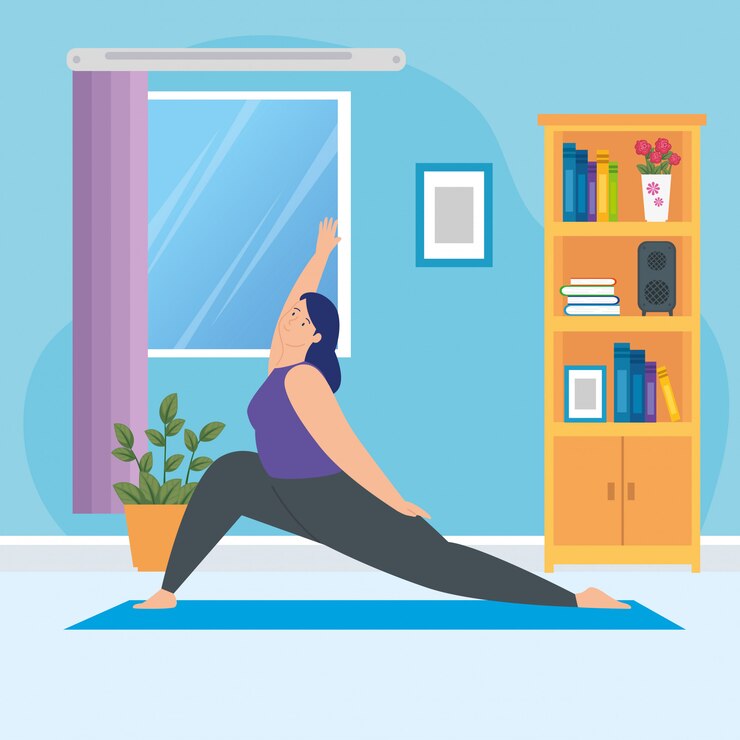
Movemore
Avoid Sedentary Life Style
Make the most of your day by using the door frame whenever you find a minute. Perform one or two squats, exhaling as you lower yourself and inhaling as you rise. These quick exercises can easily fit into your routine, helping you stay active and energized throughout the day.
Mind Fullness Meditation
Meditation can be taught in many styles, depending on your goals — whether it’s for stress relief, focus, emotional balance, or spiritual growth. Here’s a simple breakdown of the main types of meditation that can be taught to beginners or practiced at home:
1. Mindfulness Meditation
- Focus: Awareness of the present moment (breath, sounds, body, thoughts)
- How to Teach: Ask the person to sit still and pay attention to their breathing or body sensations, noticing thoughts without judgement
- Good For: Reducing anxiety, improving focus, and calming the mind
- Popular in: Schools, hospitals, and workplaces
2. Breath Awareness (Anapanasati)
- Focus: The natural rhythm of breath — in and out
- How to Teach: Ask the person to simply observe their breath without trying to control it
- Good For: Calming the nervous system and training attention
- Often the first step in deeper meditations
3. Loving-Kindness Meditation (Metta Bhavana)
- Focus: Cultivating love and compassion for self and others
- How to Teach: Guide them to silently repeat phrases like: “May I be happy, may I be healthy, may I be peaceful”,then direct it to others
- Good For: Emotional healing, reducing anger, building empathy
4. Guided Meditation
- Focus: Uses voice or recordings to lead someone through relaxation, imagination, or healing
- How to Teach: Read or play a script (e.g. body scan, peaceful place, healing light)
- Good For: Beginners, sleep, or specific goals like confidence or letting go
5. Body Scan
- Focus: Progressive awareness of body parts, usually lying down
- How to Teach: Ask the person to bring attention to each body part from head to toe, noticing tension and letting it go
- Good For: Relaxation, pain management, sleep, reducing stress
6. Mantra Meditation
- Focus: Repeating a calming word, phrase, or sound
- How to Teach: Choose a mantra (e.g. “peace”, “om”, or any sacred phrase) and repeat it silently or aloud
- Good For: Deep concentration, calming the mind, spiritual connection
7. Walking Meditation
- Focus: Being mindful while walking slowly and deliberately
- How to Teach: Guide them to notice each step, the feeling in the feet, and the breath while walking slowly
- Good For: People who find sitting still difficult
8. Trataka (Candle Gazing)
- Focus: Concentration and clearing the mind by gazing at a candle flame
- How to Teach: Sit in front of a candle, focus on the flame without blinking, then close eyes and visualise it
- Good For: Eye health, focus, mental clarity